
The beef revolution
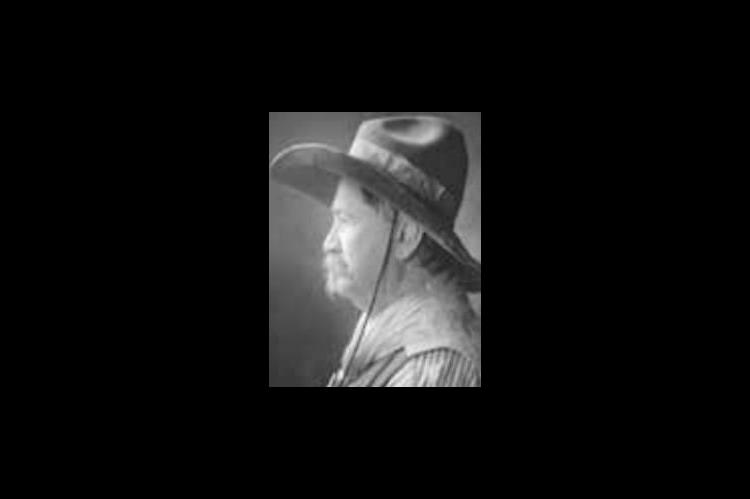
When Texans turned their great herds of longhorn cattle north to railheads in Kansas, they were probably not thinking about the revolution that they were setting in motion.
Driving cattle was nothing new. Cattle had been driven to far away markets since the early days of colonial America. No, driving cattle wasn’t new, but driving them to an isolated railhead market out on the plains was indeed a novel idea. Those railheads, beginning with Abilene, were far from the ultimate consumer living in the large cities. There were several components to the new cattle revolution.
Cattle buyers experienced the first breath of revolution.
Instead of waiting for the cattle to come to the city, buyers went to the cattle, creating another revolution for the delivery of cattle on the railroads. Tens of thousands of cattle loaded onto waiting rail cars were destined for the feeding yards in Iowa, Illinois, and Indiana, or shipped to packing plants in Chicago and St. Louis.
The third front in the livestock revolution involved locating packing plants closer to the heart of supply.
Edward W. Pattison was quick to recognize that potential. In 1867, the first year that Texas cattle were driven to Abilene, Pattison established a packing facility at Junction City on the banks of the Smoky Hill River.
The Emporia News reported on Sept. 6, 1867, that construction, which included an additional boarding house for 40 men, would begin soon. Pattison had already purchased 4,000 head of cattle and “... will commence slaughtering as soon as it is possible to get his house ready.”
Pattison traced his interest in cattle to his youth in Indiana. At 17, he engaged in driving livestock to the region’s principle market at Cincinnati, Ohio.
Ten years of trailing cattle brought him into an intimate relationship with all aspects of the business, including an indepth education of the particulars of packing the meat of cattle and hogs. By carefully saving his money he built his own packing house outside of Indianapolis.
The location along Indiana’s Central Canal afforded access in shipping his product into Indianapolis. He closed his young business after two years of operation when the canal was destroyed by flood in 1847.
On the rebound, Pattison tried selling meats by commission in Cincinnati, later moving to Indianapolis, to handle cattle and hogs in various ways, feeding, shipping, and packing. By 1862, Pattison was able to build a new full-time packing business, which he operated until moving to Kansas in 1867.
Although Pattison’s Junction City packing house proved successful, he soon realized that Kansas City at the mouth of the Kansas River offered the ideal location for beef packing.
In 1868, Pattison joined with J. W. L. Slavins and William Epperson to build the first large scale packing house in Kansas City, Kan. The Kansas City facility could process 400 cattle each day. That year the company bought on the prairies and packed over 2,000 head of cattle.
Another packing house was built the same year of 1868, by Thomas Bigger, formerly of Belfast, Ireland. He focused on packing hogs for the Irish and English markets.
Although Pattison & Slavins originally opened as a beef packing house, they contracted to slaughter hogs for Mr. Bigger who then packed the meat in his own business house on St. Louis Avenue, West Kansas City.
Ownership in these companies was very fluid with partners changing relationships every few years and at times on a yearly basis. Slavin and Epperson sold their interests to Dr. F. B. Nofsinger creating Nofsinger, Pattison & Company. Nofsinger bought out Pattison at the close of the 1869 season, renting his facility in 1870 to the Chicago based Plankington & Armour. During the early years of the range cattle business, there were no organized cattle handling facilities at Kansas City other than railroad yards used for resting and feeding cattle being shipped through to other points. Thus, the Kansas City Stock Yards were built in 1871, on the West Bottoms south of the mouth of the Kansas River. Men who assumed the responsibility for looking after the welfare of the livestock, and handling their sale were employed as commission men, bringing to Kansas City all the services needed for a well-rounded livestock industry.
Pattison remained close to the cattle business for the remainder of his life, establishing cattle ranches in central Kansas, pioneering cattle feeding lots, as well as launching a prominent commission business. For his part, Edward W. Pattison not only witnessed the growth of the packing industry in Kansas City, he led the Kansas beef revolution with every move he made on The Way West.
“The Cowboy,” Jim Gray is author of the book Desperate Seed: Ellsworth Kansas on the Violent Frontier, Ellsworth, KS. Contact Kansas Cowboy at 220 21st Road, Geneseo, Kan. 67444.