
Dash for freedom
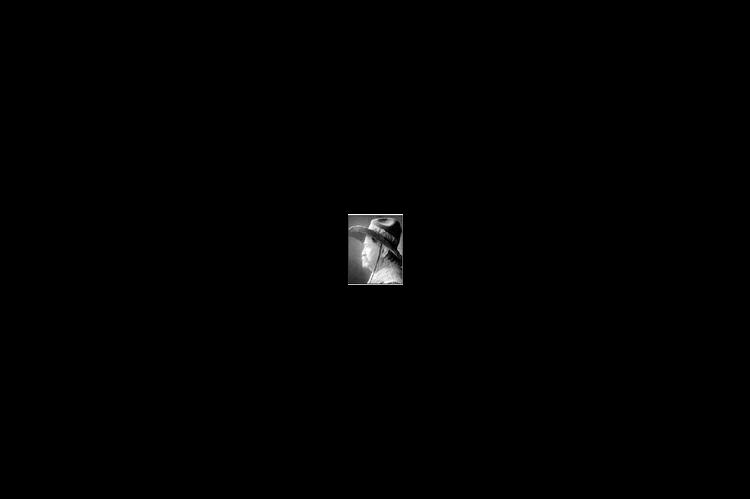
James A. Gordon was just one of thousands of emigrants seeking his fortune on the front range of the Rocky Mountains after gold was discovered in 1858. His father had established a ranch three miles south of Denver City, but Gordon was drawn to the sporting life. He became involved in a love affair that he later confessed “began to trouble me considerable.” In an effort to divert his mind from romantic troubles, he turned to whiskey.
“... about the 15th of March, I concluded to go to Denver to live, where I could easily obtain what I, at that time, wanted the most of anything — something that would drive trouble from my mind — and that was whiskey.”
Gordon invested in the Cibola Hall, a saloon in Auraria, or West Denver. The Cibola Hall was fitted up with a theater room in the back of the hall capable of seating 250 patrons. The Cibola Minstrels, a group of performing women, provided the “house entertainment,” making the Cibola a popular place of amusement.
Gordon became a sporting man, even though he wasn’t really cut out for the life. Whiskey dulled the pain and forced haunting images from his mind. By drinking himself into a stupor, he could escape. All he wanted to do was escape his thoughts.
The night of Wednesday, July 18, 1860, whiskey turned Gordon into a dangerous ruffian. In an unnamed “house of illfame,” Gordon suddenly exploded. Enraged, he forced everyone outside. Gordon was well-liked and few expected him to shoot a man, but in a blind rage, he targeted the bartender who was still behind the bar. The first two shots brought the young man down. Wounded, he tried to crawl away.
“Gordon deliberately stooped down and fired upon him again.”
Gordon awoke the next morning to learn what he had done. The bartender was alive, but dangerously injured. Gordon could hardly believe it until he visited the 18-yearold boy and found him in great pain from three shots to the same leg, leaving him crippled. The bone was broken in two places. Gordon told him that he would pay his bills and compensate him for his lost time, but Gordon couldn’t get the young man out of his mind.
“I knew of no way to pay him for the pain which he was suffering from my action.”
Gordon returned to his whiskey and soon lost sight of the young bartender “and did not think of him.” But as he continued his drunk, he began to blunder about and dangerously fire his pistol indiscriminately. At Cibola Hall, he “snapped” his pistol three times at his own bartender. (Cap and ball firearms often misfired when the cap failed to fire and the hammer snapped harmlessly against the firing pin.)
By Friday night, Gordon was completely out of control. At Denver Hall he took a couple of shots at “Big Phil,” who managed to get away unscathed. Then he “shot a dog that was crouched between its owners’ legs.” With two companions identified as Fitzpatrick and Rookerbone, he called for drinks at the Louisiana Saloon. All three drank and threw their glasses on the floor. Once Gordon’s glass hit the floor, he immediately struck the man standing next to him. John Gantz took an unexpected blow to the face and was knocked to the floor.
Gantz recovered, got up and ran for the door, but Gordon chased him down and “dragged him back, knocked him down (and) beat him about the head and face...”
Gantz was on the floor while Gordon, with his left hand, pressed Gantz’s head against the side of the counter. Drawing his pistol, Gordon placed the muzzle to the top of Gantz’s head and pulled the trigger.
The pistol snapped but didn’t fire. Gantz begged for his life, but Gordon’s only answer was another snap.
Gantz continued to plead for mercy as the pistol snapped a third and fourth time.
Gordon’s pistol finally spoke on the fifth pull, “causing instant death.”
Gordon left the hall as though nothing had happened.
Friends found Gordon about 4 a.m., lying under a tree in back of Cibola Hall.
They told him what he had done and that he had better leave town.
Townspeople were aroused, and if they found him, “they would hang me on the first tree they came to.”
He rode to his ranch south of town, told everyone what had happened and changed horses for a fast one.
He then turned back north toward Fort Lupton, 24 miles northeast of Denver.
Feeling he was among friends, Gordon went to bed.
Early Sunday morning he awoke to the sound of a disturbance beyond the walls.
Looking out, he could see several men beyond the walls with guns drawn. Realizing he was about to be taken and hanged and preferring to be shot rather than hanged, Gordon mounted his fleet horse and on his signal, the gates were opened. His belt was “bristling with arms” as he charged suddenly through the posse.
With a revolver flourishing above his head, he shouted at them to shoot, with expletives that challenged them to follow him in his dash for freedom on The Way West.
“The Cowboy” Jim Gray can be reached at 220 21st Rd., Geneseo, KS 67444, (785) 531-2058 or kansascowboy@ kans.com.