
The endless trail
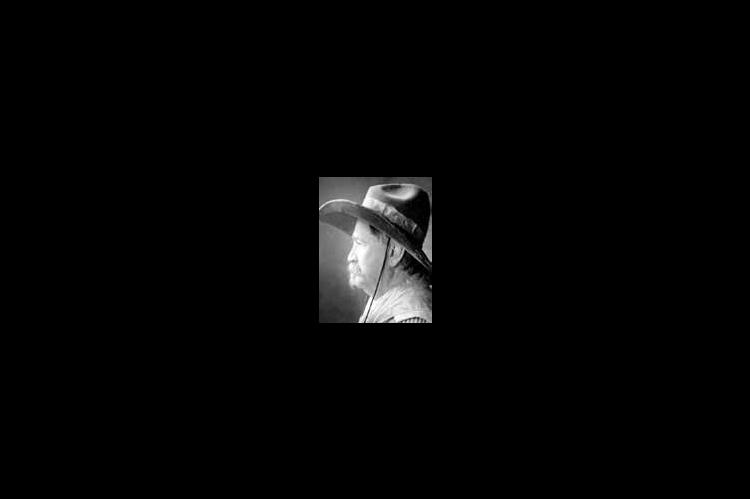
“Head ‘em up and move ’em out” was made famous by the trail-driving series “Rawhide.” Those drovers seemed to be perpetually on the trail.
A viewer could chalk it up to Hollywood and the need to tell a story that kept fans coming back to ride the long trail with trail boss Gil Favor and ramrod Rowdy Yates. The story line may have stretched the limit of reality for one long cattle drive that lasted for eight seasons, but for some cowboys, the occupation of getting cattle from their native range in south Texas to northern cattle markets could well be described as neverending.
Cattle either had to be collected from the extensive range of a large ranch or purchased from ranches extending into Mexico. “Cow hunts” were organized as early as January to bring the wild cattle out of the mesquite brush. Special horses were used to charge pell-mell into the mesquite. A rider would fairly cling to the saddle, dodging limbs and brush as longhorns crashed before him through tangled branches and treacherous thorns.
The roundup could take weeks of hard riding. Once captured, the cattle were usually gathered in special pastures, fenced high and tight with a fortress of heavy posts. They had to be branded with a road brand in a heavy set of corrals and branding chutes that could hold the wild cattle.
Many of the trail herds were actually a collection of several smaller herds owned by different operations. Their ranch brand identified the owner, but a road brand was used to identify all of the cattle in a particular trail herd.
Titus Buckbee wrote home to Ellinwood in February, “It is like summer here, grass green.”
By March, he had accumulated the number of cattle he desired and was working them up in preparation for the drive. Most outfits set out for the northern markets to take advantage of fresh green grass as warm weather edged its way north in the spring. Cattle would generally reach Kansas markets in May and June, but drovers had no intentions of selling the bulk of their cattle until fall.
Cow camps were established near dependable water sources where Cookie would set up the chuck wagon. Cattle were then grazed on lush Kansas grass through the summer to put them into condition for the traditional shipping season from late August into November.
Cattle buyers from all over the country crowded into the end-of-trail towns. Much of their time was spent inspecting cattle herds at the various cow camps. Some buyers wanted young cattle to stock the vacant prairies of Montana, Wyoming and the Dakotas. Others were looking for cow herds to establish ranches. But the biggest buyers in the fall were looking for grass fat cattle, either for the butcher in eastern states or for the corn feeder who could put a nice finish on the cattle before they became beef on some easterner’s plate.
All-in-all, a cowboy could be away from home most of the year. If at all possible, the one time of the year he wanted to be home was Christmas. Mark Withers’ cattle were “rolling fat” by the time he sold them in Abilene in 1868. Withers had a plan to make an impression on his return home. Fruit was a special treat on the frontier. Withers bought new wagons and he and his crew put his cow ponies in harness. The outfit returned to Texas by way of Arkansas, where they loaded the wagons with apples, which were peddled all across Texas bringing the men a fine price, “…for those that they did not eat or give away to the girls along the road.”
Ben Borroum arrived home with a wagon full of Christmas presents and lots of fanfare. He announced his arrival by shooting off a Roman candle. He hadn’t thought of the effect the fire stick would have on his mules. As the team lunged he grabbed for the lines, but the next flare from the candle shot directly into the frightened mules.
“They dashed into the yard with a grand flourish and noise and continued the wild race around the place until outside help came to assist in controlling them.”
It was a wild homecoming, but only a mild introduction to a Christmas filled with exciting presents from the railhead in Kansas. Within a few weeks, drovers saddled up and started the process all over again. There were cattle to be gathered and paths to follow up that long, long trail where history was made On the Way West.
“The Cowboy” Jim Gray can be reached at 220 21st Rd., Geneseo, KS 67444, (785) 531-2058 or kansascowboy@kans.com.