
Flight for freedom
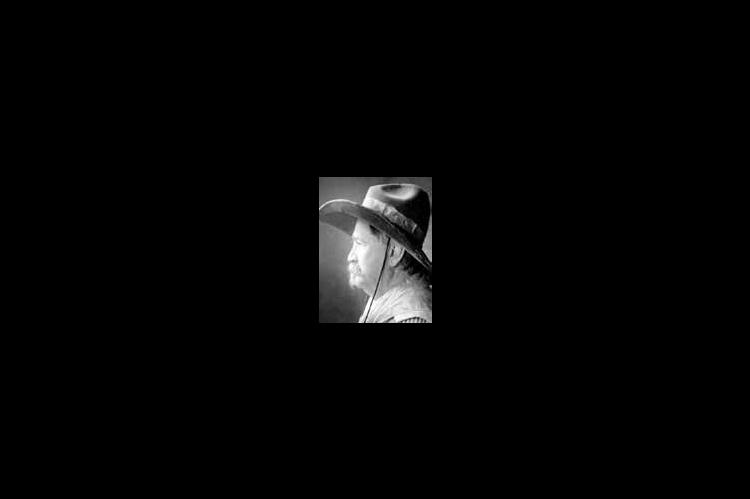
In the fall of 1878, Northern Cheyenne broke from their reservation in Indian Territory (Oklahoma) in an effort to return to Montana.
The difficulty was set in motion with the removal of the Northern Cheyenne in 1877 from their Dakota Territory homeland to an unfamiliar southern climate in Indian Territory.
The Darlington Agency near Fort Reno had been set up for the Southern Cheyenne who had lived on the southern plains for decades. Somehow, Dull Knife’s Northern Cheyenne people were included on the southern reservation. The southern climate brought sickness and depression to Dull Knife’s people, not to mention a sincere homesickness for their ancestral lands in Montana and the Dakotas. One year after their arrival in the south, 356 people fled the Darlington Agency in a desperate attempt to reach the land of their birth in the north.
The Cheyenne fugitives moved quickly into southwest Kansas, hiding their women and children in a deep sinkhole, Deep Hole, known today as Big Basin. On Sept. 12, 1878, the warriors turned back southeast in search of cattle to feed their families.
The buffalo had been hunted to near extinction and were nowhere to be found on their former Kansas range.
Southeast of Soldier’s Grave, today’s Ashland, the Cheyenne attacked two cowboys who were herding cattle for the Quinlan brothers on Spring Creek The young men, Thomas Murphy and Con Red, had hired on for a summer of adventure, and with no idea of fighting Indians, were easily overtaken and scalped.
A third cowhand, Samuel LeFores, an older and more experienced Texan, fought a running battle that carried him beyond the Quinlan range. He finally ran out of luck four miles north of Spring Creek.
Frank Dow had the misfortune to be with a herd of Day Brothers longhorns that morning on Bluff Creek. The Day brothers, Doc and Tony, operated under the D+ (D Cross) brand. As Dow drifted lazily along with the cattle, he suddenly found himself surrounded. He died without a fight.
A mile further north, Warren Richardson was also surprised and killed without warning. The cattle were herded toward Big Basin by young boys while the warriors continued the raid, gathering horses along the way.
The horses were spotted by another Day cowboy, Hilton Anderson, but he had also been seen by the Indians. All but one of them slid down behind their ponies’ necks, completely hidden from view. Black Beaver had not been so vigilant, and realizing he had been spotted, waved in a friendly manner to the cowboy. Thinking he had caught an Indian stealing horses, Anderson pulled his pistol and shot Black Beaver dead.
Imagine Anderson’s surprise when more than half a dozen Cheyenne warriors sprung into view. Anderson quickly turned and charged over the range in a southerly direction toward the Cimarron River where his cow horse luckily galloped to the safety of a band of D+ cowboys.
Only a mile or so north of Anderson’s encounter, another group of warriors entered a cow camp operated by Dennis Sheedy. Two wagons were in camp. A single Indian suddenly walked into camp while four cowboys and the cook were going about their usual business. The cowboys expected the usual begging for tobacco and other trade items and saw him as no threat.
Suddenly, the innocentappearing Indian pulled the cook’s Sharps rifle from the chuck box. A startled cowboy yelled, “Put that rifle back!” as the Indian checked the rifle, cocked the hammer and fired point-blank at the nearest cowboy. John Evans reeled back and fell dead into the dust.
Cowboys dove for cover in all directions. Another bullet slightly wounded the cook as everyone ran for their lives.
But the warrior didn’t even try to chase the men. Instead, four other braves joined him and proceeded to search the two wagons for plunder. Satisfied that they had all the loot they needed, the Indians sat down and had breakfast.
With their bellies full of cowboy grub, they set the wagons on fire and burned any excess equipment.
At a place called Jug Mott Creek, Reuben Bristow and Fred Clark were driving a wagon pulled by two mules and leading a saddle horse.
Suddenly, the Cheyenne appeared from the nearby brush. Before the cowboys could react, the sky filled with arrows. Both men fell back into the wagon box, their bodies filled with arrows. The panicked mules ran over the prairie, finally coming to a stop in a thicket of willows.
The beginning days of what became known as the last Indian raid in Kansas were bloody and startling. There would be more blood as Dull Knife led his Cheyenne families toward the longed-for home in the north, but that is another story to tell, on The Way West.
“The Cowboy” Jim Gray can be reached at 220 21st Rd., Geneseo, KS 67444, (785) 531-2058 or kansascowboy@ kans.com.