
A fortunate development
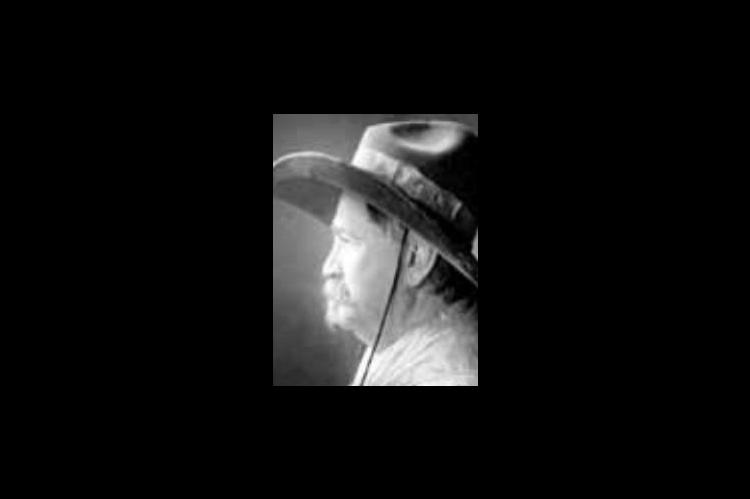
In the fall of 1869,15 visionary promoters gathered at Emporia to discuss the Osage lands slated to be opened for settlement the following summer.
Quite a few settlers had already moved in to establish themselves along the Arkansas River in what would later be designated Cowley County. The government had recently ordered all settlers out of the territory in a move that proved to be very temporary.
Despite theft from roving bands of Indians the banished settlers began to return to their claims. Osage Chief Hard Rope was willing to consent to letting the settlers stay.
For a fee of $5 paid to the chief, a settler could remain on the Osage Diminished Reserve without harassment from the tribe. The federal government chose to look the other way after the initial removal.
E. C. Manning of Emporia had been one of the first men to settle in the area and was among those who returned to his claim near the mouth of Timber Creek along the Walnut River.
On Christmas Day, 1869, the Norton brothers of Emporia visited Manning’s cabin. The brothers carried a letter imploring Manning to join the Emporia effort to establish a town near the border with Indian Territory at the confluence of the Walnut and Arkansas Rivers. Manning agreed to help, but was convinced that his location was better suited to be the county seat of the pending Cowley County. Manning founded Winfield from his humble beginnings on Timber Creek.
The Norton brothers were natives of New York state and grew up at Stillman Valley, Ill. Capt. Norton served in the 33rd Illinois Infantry during the Civil War.
He married at the close of the war and in 1869 moved his young family to Emporia, Kan., where his brother, Professor Henry Brace Norton, was instructing at the Kansas Normal School, a school dedicated to training teachers.
Soon after Capt. Norton’s arrival at Emporia, he and his professor brother were caught up in the new town building plans. By January, 1870, the townsite of Adelphi was located on a beautiful peninsula of land between the Walnut River and the Arkansas River. Within weeks of being established the name of Adelphi was changed to Cresswell. In February the Kansas Legislature designated Cresswell as the temporary county seat of the newly designated Cowley County.
A visitor in March, 1870, wrote that the Arkansas River at Cresswell was “about the size of the Kaw at Lawrence:’
Fish was the bill of fare during the visit. Capt. Norton boasted that he had caught a 70-pound catfish a day or two before their arrival, and only a short time before that he had caught a 60-pounder.
The valley was a Garden of Eden, abounding with deer, antelope, wild turkeys, ducks, prairie chickens, quails, wild cats, and beaver.
“The deer tracks along the Arkansas are as thick as sheep’s tracks in a pasture:’
Six houses were under construction in March. Finding that another Cresswell had been officially recognized by the U. S. Post Office, the name was changed to Arkansas City, receiving a post office on May 16, 1870, but as E. C. Manning had predicted voters established Winfield as the permanent Cowley County seat. By July 50 houses were either finished or under construction. M. G. Mains of the Emporia Tribune had announced that he was building a printing office for a newspaper, proposing the name Arkansas Traveler (later becoming the Arkansas City Traveler).
The Norton brothers established trade with the Osage people living across the Kansas border south of Arkansas City. They had only recently given up their lands in Kansas and obviously felt a great attachment to their former home. They could have easily felt resentment toward the settlers, however, through the efforts of Capt. Norton a warm relationship was forged with the citizens and merchants of Arkansas City.
In early August Hard Rope brought his band of 150 people, “clad in all the splendor of beads, red blankets, paint, and every sort of fantastic Indian finery:’ There were dances to drums, “fifes: and whistles. They remained until morning, trading and enjoying the advantages that the townspeople and merchants had to offer. A final ceremony to mourn their dead was held at daybreak and they were gone. While others feared wandering bands of warriors, the people of Arkansas City were able to enjoy a good relationship with all the Osages.
In December, Capt. Norton returned from a trading trip to report that the tribe was experiencing a successful hunt. Already they had 400 buffalo robes. They expected to harvest 5,000 robes from their early winter hunt and planned to kill an amazing total of 200,000 buffaloes by winter’s end. Establishing friendly relations with the Osage people was a remarkably fortunate development for the Norton brothers and gave a valuable boost to the success of the fledgling town of Arkansas City, Kan., on The Way West.
“The Cowboy,” Jim Gray is author of the book Desperate Seed: Ellsworth Kansas on the Violent Frontier, Ellsworth, KS. Contact Kansas Cowboy, 220 21st Road, Geneseo, Kan. Phone: (785) 531-2058 or kansascowboy@kans.com.