
Fun On The Plains
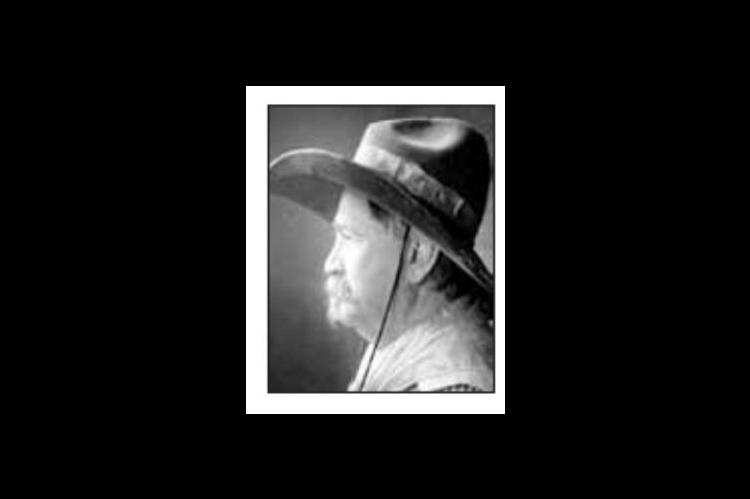
I have often been tempted to publish a newspaper article in its entirety, but have always felt that the reader deserved more research on my part. But in this case, I didn’t think I could do better than Eli Perkins had done in his wonderful piece “Fun on the Plains,” originally published in the New York Daily Graphic and copied by the Omaha Daily Bee in its March 30, 1874 edition. I hope that you agree that in this case, Mr. Perkins has given us everything we need to know.
FUN ON THE PLAINS
Eli Perkins on the Kansas Pacific Westward, westward, westward we have been riding all day over the Kansas Pacific. From Kansas City the road runs straight up the Kansas River bottom and along Smoky Hill and the buffalo country to Denver. On the train are Grangers from Carson and Hugo, and killers and stabbers from Wild Horse and Eagle Tail.
As we near Salina, Kan., Conductor Cheney comes along to collect the fare. Touching a long-haired gentleman on the back he looks down and says:
“Tickets!”
“Hain’t got none,” says the passenger, holding his gun with one hand and scowling out from under his black slouch hat.
“But you must pay your fare, air!” expostulated the conductor.
“Now jes look a here, stranger! mebby you’r a doin’ your duty, but I hain’t never paid yet goin through this country, and _______
“Just then a slouchy, old frontiersman who had been compelled to pay his fare in a rear car, stepped up in front of the mulish passenger and, pointing a sixshooter at him, said:
“See here, Long Bill, you jes pay your fare. I’ve paid mine, and they don’t anybody ride on this train free if I don’t — if they do damme!”
“All right, you’ve got the drop on me, old boy, so put up yer shooter an’ I’ll settle,” said the passenger, going down into his pocket for the money,
“Do these incidents often happen?” I asked the conductor a little while afterwards.
“Well, yes, but not so often as ‘they used to in ‘68 and ‘70, Mr. Perkins. The other day,” continued the conductor, “some three card monte men came on the train and swindled a drover out of $150. The poor man seemed to take it to heart. He said his cattle got so cheap during the Eastern “bust” that he had to just “peel ‘em” and sell their hides in Kansas City — and this was all the money he had. A half dozen miners from Denver overheard the talk, and, coming up, they “drew a bead” on the monte men and told ‘em to pay that money back.
“Just you count that money back conductor,’ they said, ‘and after I had done it,’ continued the conductor, one of the head miners said:
“ ‘Now conductor, you jes stop the train, an’ we’ll hang these three card monte fellers to the telegraph pole.’
“But the monte men flew out of the door too quick for ‘em.”
To illustrate the value of human life in this country, Mr. Locke, the manager of the Kansas City Opera House, tells me this story:
Two years ago the James brothers, the same two desperadoes who sacked the express car, and “went through” the passengers on the Chicago, Rock Island & Pacific and at Gad’s Hill, stole the money box at the Kansas State Fair. They rode into Kansas City on horseback, and when the cashier was walking to the bank with the receipts of the day; about $2,000, they pointed their pistols at his head, seized the box, and galloped off. This was done in broad daylight, in the midst of a great crowd.
Well some time afterwards one of the Kansas City reporters wrote an article about these highwaymen, saying some kind things. He called them brave, and said they had done the most daring deed in the highwayman’s record. A few nights afterwards the James Brothers rode into Kansas City, went to the newspaper office, and calling the reporter out, presented him a handsome watch and chain. They said the article in question touched them in a tender spot, and they desired to show their gratitude.
“But I don’t feel at liberty to take the watch,” said the reporter.
“But do it to gratify us. We didn’t steal this watch; we bought and paid for it with our own money,” continued the desperadoes. “No; you must excuse me,” contin
“No; you must excuse me,” continued the reporter.
“Well, then, if you can’t take this watch,” replied the James Brothers, regretfully,” perhaps you can name some man around here you want killed.”
‘’Eli Perkins.”
Carson, Colo., March 17, 1874
And that, my friends, proves that a pass on the Kansas Pacific could be very, very entertaining on The Way West.
“The Cowboy,” Jim Gray is author of the book Desperate Seed: Ellsworth Kansas on the Violent Frontier, Ellsworth, KS. Contact Kansas Cowboy, 220 21st RD, Geneseo, KS. Phone (785) 531-2058 or kansascowboy@kans.com.