
The Good Time
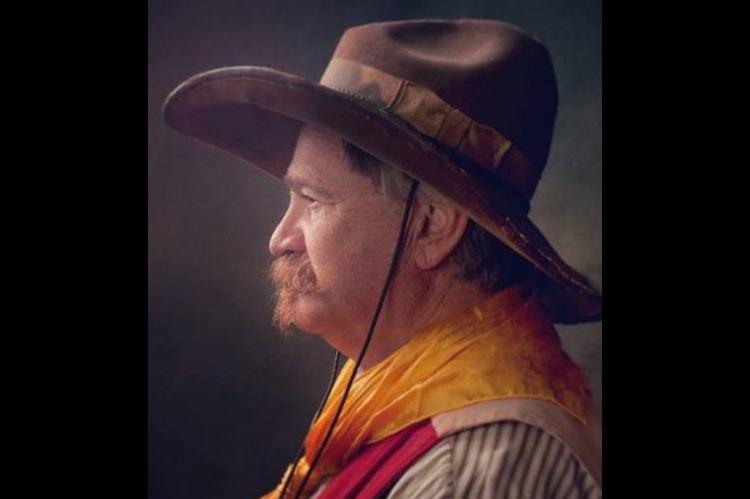
In the year 1868 life was exciting in Kansas and growing more exciting by the day.
The first railroad to be built across the state in 1867 to the end-of-track at a place called Coyote (just west of present-day Collyer, Kan.).
By July of 1868 the Union Pacific Eastern Division Railroad had built tracks to mile post 411, where the new end-of-track town of Phil Sheridan was already flourishing. Named for Gen. Philip Sheridan, war hero and commander at Fort Hays, Sheridan quickly became a destination for tourists hoping to experience the “wild west” for themselves.
The new railroad spawned notorious frontier towns as it marched across the once desolate prairie. West of Salina, the streets of Ellsworth, Hays City, Coyote, Monument, and Sheridan were filled with adventurers and colorful characters that could, and often did, fill the pages of newspapers and novels. Passenger cars carried the likes of Wild Bill and Capt. Jack Harvey up and down the line. Famous frontiersmen mixed with everyday folks, making an “excursion” on the railroad an attractive diversion for tourists wanting to see the wonder of it all for themselves.
The pages of Kansas newspapers regularly carried stories from excursionists who had braved passage on “the cars” to the end-of-track. The Lawrence Daily Journal of Aug. 14, 1868, carried the report of Wilson Shannon, Jr., who had just returned to Lawrence the day before.
“He reports a very primitive mode of living in the far west and gay and festive scenes ahead. Dance houses, prostitution and gambling abound, and a rich harvest of crime and debauchery is gathering daily and nightly.”
Excursions were popular for all sorts of occasions. The Methodist Sunday schools arranged a “Grand Excursion and Picnic to Fort Leavenworth” in July. The excursionists were to be met at Leavenworth by the steamer, Hensly, to be conveyed on the Missouri River to Fort Leavenworth, where the Leavenworth school students were to be assembled.
“This excursion affords our citizens a fine opportunity to see the city of Leavenworth, the Fort, and its beautiful surroundings.”
Picnic excursions were organized to various destinations to provide pleasant sociable pastimes for participants.
However, the excursions to the frontier were designed to bring a touch of adventure to the excursion experience. The agenda of an excursion planned for August 12, 1868, noted that the train would stop for a short time at all the principal stations along the line “arriving at the end of the track before daylight ... so that the excursionists will have the pleasure of seeing the sun rise on the ‘Great American Desert.’
“The train will remain at the terminus of the road long enough to give the expert hunters, who will, no doubt, be largely represented in the party, to kill any quantity of buffalo.”
The return trip passed over the portion of the road that had been traveled during the previous night, giving the opportunity to see the landscape along the entire route.
The quest for excitement in a safe environment drove the craze to travel by train. But the frontier, after all, was the frontier. The Cheyennes raided through north-central Kansas in late summer, giving rise to rumors when a train was late returning home. A late excursion train was believed “captured” by Indians near Ellsworth with the loss of five hunters who had left the train seeking buffalo. A second rumor brought the unfounded news that the train had been blown off the tracks in a great Kansas gale. Great loss of life was reported when several of the cars caught fire and burned. The band was on hand at the depot in Lawrence, and played “welcome notes” when the train and its passengers arrived safely with nary a story to tell of Indians or inferno among the cars on the way home.
An excursion from Kansas City resulted in the death of one buffalo at the hands of the hunters. “Mr. Heist secured his scalp. Mr. Kinney the tip of the tale, and Mr. Stover the ears, while Mr. Whitehead went for the meat.” Seven Indians were seen on a hill gazing at the cars from horseback. The only other death was a lone antelope killed near Fossil Creek (Russell, Kansas).
“To the end of the track,” was becoming all the rage as excursionists took to the cars from Manhattan, Topeka, Lawrence, Leavenworth, and Kansas City. A September report suggested excursions could soon be planned from St. Louis and Cincinnati.
A correspondent for the Kansas State Record posted an especially merry report from an excursion to the end-of track and even beyond to Fort Wallace and Pond Creek just beyond the post. They found the whiskey ranche at that point deserted for want of “lager and other desirables” to entertain guests from the train. The whiskey at Fort Wallace was watered down, “owing to the flood of ’67, when the river overflowed into the cellar where the barrels are kept.” The excursionists begin their journey home. There was great concern when the whiskey ran out just before reaching Hays City. They have arrived in time for Sam Hall to get out his violin.
“On with the dance!”
At 6 a.m. “Hall broke all the fiddle-strings and lost his voice calling for cider, so that he could whistle the right tune.” With the dance ended, the excursionists board the train for home singing, “I’m the jolliest boy that’s out,” to the tune of Auld Lang Syne. Tell everybody we shall be in Topeka when we arrive.” Just good ol’ boys having a good time on The Way West.
The Cowboy,” Jim Gray is author of the book Desperate Seed: Ellsworth Kansas on the Violent Frontier, Ellsworth, KS Contact Kansas Cowboy, 220 21st RD Geneseo, KS Phone 785-531-2058 or kansascowboy@kans.com.