
Late spring norther
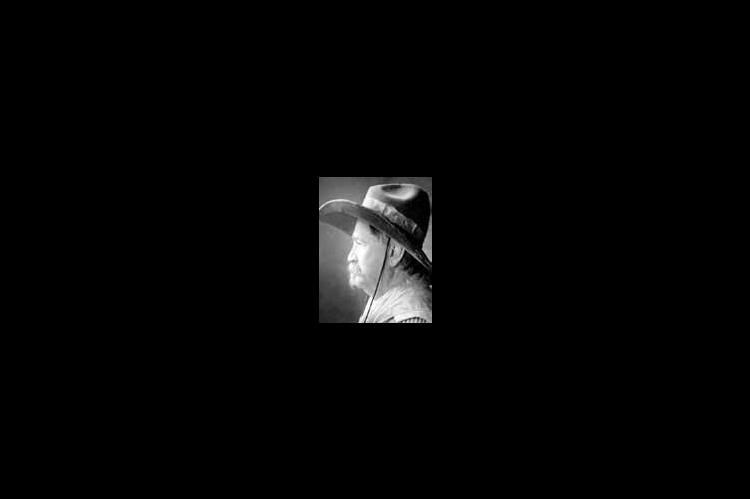
The drovers that pointed the big herds of Texas Longhorns north to the Kansas railheads endured hardships that can only be imagined. We have romantic notions of pleasant spring days on the trail, but the conditions on the wide-open prairie were often brutal and dismal.
Many of the old drovers offered up memories of the trail through a series of letters compiled in a book published in 1924, “The Trail Drivers of Texas.”
Sol West was only 17 years old in 1874 when the Texas firm of McCutcheon & West employed him to boss a trail herd of Texas longhorns 700 miles from Lavaca County, Texas, to Ellsworth, Kan. Every man in the outfit was under 20. Even at such a young age, Sol was anything but a novice at the business; he had worked as a cowboy on the trail since 1871.
By early April they were crossing the Red River into Indian Territory. Sol later recalled a splendid drive with clear, open spring weather all the way.
On April 8, 1874, the weather turned bad. Drovers and cattle marched forward in a cold mist that turned to light snow, chilling both man and horse. The chuck wagon had gone ahead to make camp and the men were anxious for the day to end.
Camp was at a place called Hell Roaring Creek, on the old Arbuckle Trail in what is today southern Oklahoma. As the trail herd drove within 100 yards of camp, the wind turned to a gale, releasing a full-scale blizzard. The cattle turned their heads to the south, drifting with the wind and snow. Every man in the outfit was under 20. The test of manhood was upon them as they fought nature’s fury to hold the herd together. The young cowboys battled the herd to exhaustion.
Horses began to falter. One-by-one they went down, breathing their last in shivering agony. Sol ordered the dismounted men to return to camp as smaller and smaller numbers of cowboys strained to hold the herd. Sol’s was the final horse to go down. Struggling against the bitter storm, Sol and two of the last men to lose their horses remained with the herd throughout the rest of the night. Their hands were so cold, no one could retrieve the box of matches that each man had in his pocket. Even if they had found a match, ice-brittle fingers could not have struck a flicker.
In the early hours of morning, a light was spotted in the distance. An hour or more later, the frozen drovers stumbled into the two-room dugout of Jim Taylor. Taylor fed them and put the shivering young men to bed.
With a few hours of rest, Sol bargained with Taylor, trading some of his cattle for three of Taylor’s horses and one mule. Sol then sent two men to find his surplus horses, known as the remuda. The remuda was made up of 65 horses, allowing for each horse to be rested along the way.
Two wranglers had been in charge of the horses before the storm hit. They were found on foot without a horse in sight. The driving blizzard killed every one of the horses as they crowded together in an attempt to stay warm. The wranglers luckily found a grove of blackjack timber and saved their own lives by building a fire and keeping it going all night.
Amazingly, all the men survived. Sol was able to trade with local Indians for horses, and once again mounted, he and his men continued to Ellsworth.
The McCutcheon & West herd reached Ellsworth May 20, 1874, the first herd to arrive at the railhead. The businessmen of Ellsworth met them with celebration. As trail boss, Sol West was awarded a new suit of clothes, hat, boots and the whole works.
The herd was eventually sold and the young trail boss turned for home. His brother, George, was also the bookkeeper for McCutcheon & West. Sol turned in the money and all the receipts for expenses. When everything was accounted for, Sol’s drive to Kansas had profited the company $1.50. George handed Sol his share of 75 cents and inquired whether he intended to buy a herd with the money or start a bank with it.
Sol wasn’t deterred, maybe because he was wearing those brand-new Ellsworth duds he had gained while trailing cattle to Kansas on The Way West.
“The Cowboy” Jim Gray can be reached at 220 21st Rd., Geneseo, KS 67444, (785) 531-2058 or kansascowboy@kans.com.