
The logical choice
The townsite of Fargo Springs was surveyed along the north bank of the Cimarron River in southwest Kansas on May 20, 1885.
The location today is near the Highway 83 bridge over the Cimarron, approximately 16 miles north of Liberal, Kan.
The founders had every reason to believe that Fargo Springs, the first town established in unorganized Seward County, would become “The Metropolis of the Southwest.”
The town’s only rival was the much smaller settlement of Springfield established on a plateau less than three miles north. Although Springfield had the advantage of elevation a low ridge of sand hills blocked the view between the two towns. Springfield was chartered Sept. 18, 1885, but was not surveyed until the spring of 1886.
The new townsite received a great boost when the town of Carthage, 25 miles northeast of Springfield, lost its bid to become the county seat of Meade County. On that loss Carthage fragmented as businessmen moved to Meade and nearby Mertilla. Much to the dismay of the boosters of Fargo Springs, some Carthage refugees chose to cast their lot with Springfield.
A required census was begun in March of 1886 as a prerequisite to the official organization of Seward County, just as Springfield was magically rising from its perch upon the prairie plateau. Fargo Springs was the logical choice for the county seat, but the good citizens of Springfield immediately began promoting to claim the seat of government in their new town. The transferred Carthage residents may have lost the fight in Meade County, but the experience gave them incentive to “boom” for Springfield.
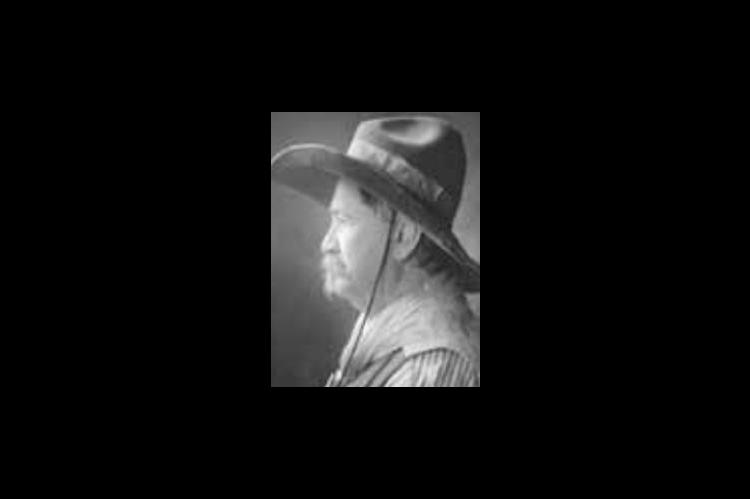
Abe K. Stoufer, editor of the Fargo Springs News, confidently pointed to the advantages of his fair city in his May 6, 1886 edition.
“Fargo Springs has a dozen excellent wells, at an average depth of 40 feet, with an abundance of clear, pure water. Springfield has but one well, at a depth of over 200 feet, and water so difficult to obtain that many of her citizens have to come to Fargo Springs for the water they use. And yet they have the supreme gall to ask that the county seat be located there.”
He continued by reminding the farmers that would be doing business in the county seat. He noted that Fargo Springs was situated “nearly in the geographical center of our grand county ... and that the ease of procuring ‘sparkling water’ for themselves and their teams” would certainly be an advantage.
Stoufer reminded voters that Fargo Springs already had most of everything required to deliver a successful trade center.
Stoufer boasted that Fargo Springs was already a place “where you will find a market for your produce; where you can buy anything and everything you want; where you can do business at a first-class bank; where you will soon have a good flouring mill; where business of all kinds is represented by earnest, accommodating men; and where you will always receive fair and square treatment.”
Abe Stoufer first set eyes on Fargo Springs the evening of Oct. 22, 1885. He had come by stage coach to visit to his brother, Will. Stoufer owned the Lathrop (Missouri) Monitor and on his return to Missouri wrote a glowing account of Fargo Springs and the fine country that he found in the wilds of the “Great American Desert.”
He, in fact, was induced to purchase 160 acres during his visit. By February, 1886, he was headed back to Fargo Springs.
The stage pulled up in front of a crowd of men standing in front of the office of attorney and land agent Charley Traxler. Within 10 minutes, the town boosters had subscribed by shares of $50 each to establish the Fargo City News with Abe Stoufer as editor. The next morning, he was on the stage to Kansas City to purchase equipment. The first issue was released on April 22, 1886.
By May 13, Stoufer reported that Fargo Springs was experiencing the greatest boom in the history of the town. Over 100 wagon-loads of freight came to Fargo Springs the previous week. In just one day, 50 teams had arrived. Strangers were everywhere and the hotels were crowded. Clothing salesman, I. A. Blanchard announced, “Fargo Springs has the lead and always will have.” Stoufer heartily agreed.
Gov. John A. Martin’s announcement finally came that Seward County had been officially recognized. In his capacity as Kansas governor, Mr. Martin was required to designate a temporary county seat until an official election could be organized. Fargo Springs was confident that it was the logical choice. Imagine their surprise when Springfield received the designation! The real fight for the Seward County Seat was just beginning. Alas. That is a story to be told another time on The Way West.
“The Cowboy,” Jim Gray is author of the book Desperate Seed: Ellsworth Kansas on the Violent Frontier, Ellsworth, KS Contact Kansas Cowboy, 220 21st RD Geneseo, KS Phone (785) 531-2058 or kansascowboy@kans.com.