
Once Upon a Time
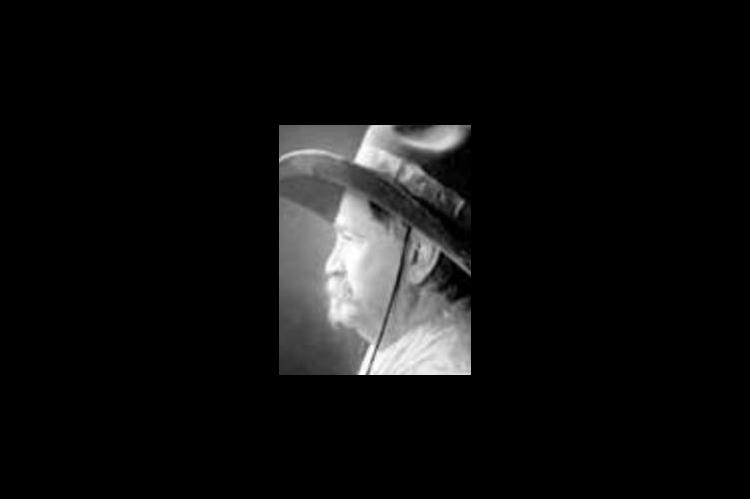
In 1890 an article originally published in the South San Francisco Examiner was making the rounds of Kansas newspapers.
Entitled “Modern Centaurs,” the story was about cowboys and although it was set in California, the scenes and actions described could have been in any Kansas cattle town from the 1860s to the late 1880s. The secondary headline noted that an exhibition, on the order of the popular Wild West Show, could be seen for free nearly every afternoon. In the hills outside of town, corrals held the steers that had been unloaded from railroad cattle cars to be fed, rested, and “cooled off for a few days before going to execution, dissection, the oven, pot or boiler, and the table.”
Butcher town was a collection of slaughter houses a couple of miles from the corrals, mainly through the main business artery of the South San Francisco. Many vacant lots lined the route allowing frisky steers many opportunities to escape as well as providing every opportunity for curious spectators to witness cowboy skills. Pride in horsemanship prompted cowboys to perform daring feats and antics before an audience that gathered each day to witness “the bovines’ funeral march to the shambles.”
On the day visited by the newspaper correspondent “a smoothfaced lad, “ Fred Baaser took time out from his drover duties to explain and show off some of the tricks of the trade.
With his three-year-old filly, the young cowboy explained it is always handy to know how to quickly mount a horse. “Most of the boys do it this way.”
“His left hand touched the pommel and the bridle-reins at the same time; the right reached for the cantle. Biddy, the filly, started forward, and with her first jump Baaser made a spring resembling the flight of a bird. He landed with his right leg well across the saddle, and by the time Biddy had gathered herself for the second jump her rider was in the seat, both feet in the stirrups and prepared to rope a cow, stop a runaway or head off an unruly steer.”
There are many ways to “cast” a riata or rope, depending upon the desired result. Baaser illustrated the use of a “trail” cast, walking Biddy slowly with the riata trailing on the ground behind, his arm extended backward with riata in hand. Suddenly his right arm shot forward, the rawhide thong whizzed as the riata “settled its snaky coil about the neck of an astonished old cow grazing 20 feet away. He dropped the rope, but not due to an accidental slip.
Baaser explained that he would never get off his horse to recover a lost rope. Charging Biddy after the “fast-disappearing cow” he turned her back. Bending low in a wild swoop, his left hand caught the trailing riata as he dashed by on a hard run. Almost before he was down, he was up. With a turn of the riata around the saddle horn Biddy braced herself and the galloping cow came to a halt “with an unpleasant suddenness that would have thrown her down but for Baaser’s letting out a little slack at the critical moment.”
Amazingly Biddy held the cow, following her every movement while Baaser jumped off and walked up to the cow to “slip the noose” at just the right moment. Baaser threw his hat down and picked it up in the same way. “They say that some of the boys catch jack rabbits out on the plains, but I never saw them do it, for my work has been mainly confined to Butcher town, and we don’t have jack rabbits over here.”
Just then a small terrier ran down the road. “There is a dog that I’ll practice on,” and in an instant Baaser was alongside, reaching wide (there was a foot of daylight between his body and Biddy), he clutched the terrier by the ears and nape of the neck and swung him into the saddle. A wounded or dismounted comrade could be picked up at a full gallop just as well as a dog or jack rabbit with a horse and rider in tune with one another.
Baaser confessed that he had never been in Indian country. He certainly had no experience in fighting on the run, but he was familiar with the tricks of some of the boys who had. Shooting Indian style, the cowboy leaned to the side that left his shooting hand free to place shots from under the neck of his charging mount. In that way his body was almost entirely protected from the bullets of the enemy. In the hands of “a clever rider” either rifle or pistol can be effective.
Yes, the exciting daily Wild West Show of cowboy horsemanship and their feats of daring may have been recorded for the readers of the South San Francisco Examiner, but the scene would have been performed a thousand times over by the Centaurs of old across cattle country once upon a time on The Way West.
“The Cowboy,” Jim Gray is author of the book Desperate Seed: Ellsworth Kansas on the Violent Frontier, Ellsworth, KS. Contact Kansas Cowboy, 220 21st RD Geneseo, KS. Phone (785) 531-2058 or kansascowboy@kans.com.