
Queen of the Comanches
On the evening of the 17th day of June, 1848, Tandy Giddings, an old plainsman, rode forward and doffing his cap, said: “Lieutenant, you should double your guards tonight.”
“Why so?” asked Lt. William B. Royall. “We haven’t seen a buffalo for two days, and that is a sign there are Indians around.”
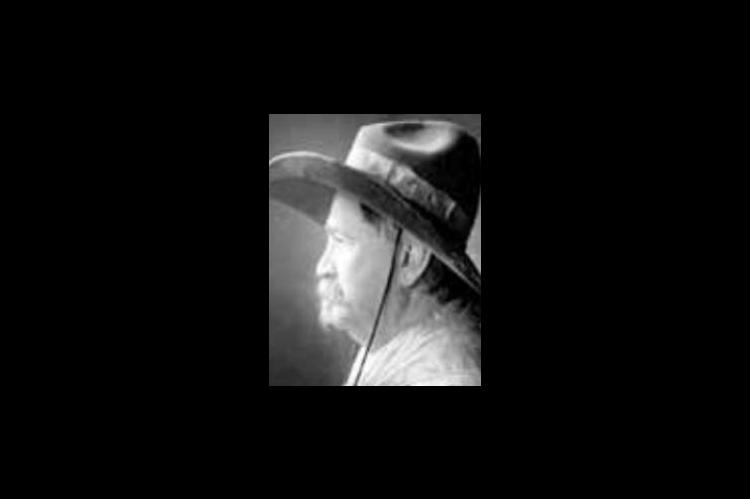
James H. Birch recalled the exchange in a 1907 interview for the Kinsley Graphic.
Lt. Royall was in command of new recruits for the Separate Battalion of Missouri Volunteers. The original battalion raised under Lt. Colonel William Gilpin a year earlier in 1847 was touted as veteran Indian fighters even though most of the men had never seen an Indian before.
Birch had joined 76 boys mostly from the backwoods of Missouri “on the campus at Fort Leavenworth” on May 19, 1848. He had joined the Missouri Volunteers to fight Indians and if Tandy Giddings was right, he was about to have his chance at glory.
One year earlier Lt. John Love with 80 U. S. First Dragoons was attacked at Coon Creek while escorting government wagons. One hundred sixty oxen were stampeded and lost. Five of Love’s men were killed while trying to recover the cattle. The fight was known as Love’s Defeat and was a point of conversation as Royall’s men approached Coon Creek, near present-day Garfield, Kan.
Crossing Coon Creek the troops spread their tents north of the banks of the Arkansas River. They were escorting 60-some government supply wagons, 425 beef cattle, and the paymaster Maj. Thomas S. Bryant. Bryant was to pay troops at Fort Mann (near present-day Dodge City). Gilpin had just returned to Fort Mann from an extended campaign against the Apaches and Comanches in New Mexico.
Some of Gilpin’s artillerymen, with two six-pounders, had met and joined Royall’s escort a few days before. On their way east they had been attacked by Comanches on June 7. When they fired one of the 60-pound field pieces the horses and mules stampeded. The Comanches, using a white horse as a decoy, successfully rode away with 22 mules and horses.
Royall’s men had yet to see Comanches on their march west. As the sun rose the morning of June 18, 1848, Birch heard the wolves howling on the south side of the river. The howls were answered by a similar sound from up the river and repeated from the north and further repeated from down the river. “Attention being called to the wolves, old Tandy Giddings, (an experienced plainsman with the troops) ... said: ‘Lookout, boys I have heard them wolves many a time. It is Indians howling.”
Of course, Birch and his inexperienced companions didn’t take Giddings seriously.
Suddenly a thundering herd of buffalo appeared on the horizon. Hungering for fresh meat, the men grabbed their weapons with visions of a grand buffalo hunt running through their heads.
“Hold on, boys.” Giddings warned, “The Indians are behind the buffalo.”
Within seconds the buffalo passed by the camp with mounted warriors charging right at the untested recruits. As the soldiers brought their breech-loading carbines into play more warriors appeared from up the river and from the uplands to the north.
Approximately 800 warriors seemed to cover the whole plain about them. The carbines had been issued upon their induction at Fort Leavenworth. They were German-made carbines that could be loaded and fired five times a minute. Birch called them, “fearful weapons.”
The Indians were used to facing single-shot muzzle loading rifles. Their mode of warfare was to draw the fire of the soldiers under the protection of their shields and before their prey could reload the muzzle-loaders, the warriors would rush in on their war ponies and lance their victims to death. However, the soldiers and civilians “gave them a hot reception.” Great was the attackers’ surprise when after drawing the first fire Royall’s troops continued to fire with their repeating German carbines.
The warriors fled the field of battle but soon returned in an all-out assault. According to Lt. Royall, a female, “who seemed to be their queen,” rode about the field of battle directing the care and removal of the dead and wounded. She wore a scarlet dress adorned with silver ornaments producing an unprecedented specter that unsettled the entire command.
Birch recalled, “The boys commenced shooting at 400 yards, then at 300, then at 200, and then at 100, and ready to shoot at closer range. Our shots seemed to have but little effect, for they were protected by their shields, and we could hear our balls strike their shields and sound like striking a board fence.”
When the warriors were within 40 yards someone shouted: “Shoot their horses.” When horses and riders began to fall the attack was broken. The Comanches withdrew and the fight was over.
Just who the Scarlet Queen of the Comanches was, no one knows. She was never seen again and remains one of the most mysterious stories ever to be told on The Way West.
The Cowboy,” Jim Gray is author of the book Desperate Seed: Ellsworth Kansas on the Violent Frontier, Ellsworth, KS. Contact Kansas Cowboy, 220 21st Road, Geneseo, Kan. Phone: (785) 531-2058 or kansascowboy@kans.com.