
Silent Testament
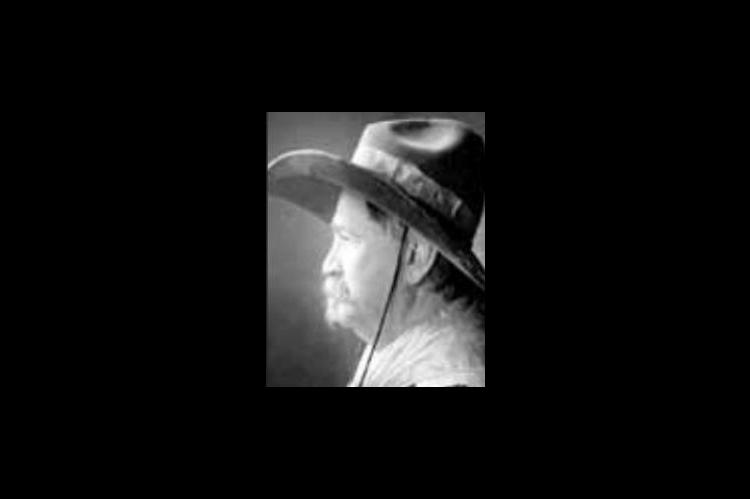
Edwin Tyler was a new arrival to the Walnut Creek valley in the spring of 1871. Near the big bend of the Arkansas River in central Kansas, the new town of Great Bend had just been platted.
The first building at the townsite was a hotel.
Drovers’ Cottage, built by Col Thomas L. Stone (Col. Tom), catered to Texas cattlemen. It was later famously remembered as the Southern Hotel.
Tyler rented a 12’ x 14’ house a short distance west of the town. The house had no floor other than the prairie sod on which the shelter was placed. The building was bolted together. The building was secured by bolting the walls to posts “driven or sunk in the ground.” Upper and lower bunks lined one wall. Tyler and his wife slept in the lower bunk. The three children shared the upper bunk.
The morning of Nov. 16, 1871, Rube Fry came by the Tyler house in his shirt sleeves, not even bringing a coat along. The morning sun was “beautiful, bright, and warm.” Fry was headed to Dry Creek with a team and wagon to get a load of wood, a short distance north of Tyler’s place. He asked Tyler to go along. Mr. Tyler decided to stay home because Mrs. Tyler was afraid that Indians might pay an unexpected visit.
About nine o’clock a Kansas breeze began to blow. An ominous haze appeared in the north. The wind increased little by little, growing colder as it strengthened. Fry was not long in returning “at the rate of two forty,” a term used in those days to describe very fast movement. Fry needed warming up by the stove. The two veteran soldiers cracked a few jokes before Fry left at the same speed that he had arrived, two forty.
A little after noon a mist set in followed by sleet before a combination of rain and snow struck in full force. At 3 p.m. it became so dark that Tyler could barely see objects 10 feet away. The little family huddled by the stove and just looked at one another with very little to say. The gale roared. Twentynine years afterward, Tyler recalled in a newspaper memoir, “we were expecting the shanty to blow over, and I knew that would be the last of life ... if the house hadn’t been bolted as it was, I wouldn’t be here to write about it.”
Luckily before coming to Kansas, Mrs. Tyler had seen fit to bring two feather beds and plenty of quilts and comforters. A large tarpaulin formerly used to cover a cannon in the late war was among Mr. Tyler’s possessions.
The tarpaulin was spread on the dirt floor, covered by a feather bed and a comforter and topped off with a quilt or two. The other feather bed was placed on the pile, making a cozy sanctuary from the storm.
Removing only their shoes the family burrowed deep in the folds until 10 a.m. the next morning when they ventured from their retreat long enough to build a fire for coffee and a little warm food. Concluding that the bed was a proper place, “back to bed we went,” until the winds calmed during the afternoon of the 18th.
The morning of the 19th dawned bright and clear, but very cold. Wagons, dead horses, and frozen cattle were common things to see banked up in snow drifts. Settlers were caught on the open prairie bringing provisions from Ellsworth. Two wagons and a frozen horse were abandoned at Cow Creek (seven miles southwest of present-day Bushton).
Three men were stranded at Dick Strew’s ranch and stage station on Plum Creek (approximately two miles northeast of present-day Bushton). Buffalo hunters from Great Bend suffered through the storm south of Fort Larned. Everyone made it home alive, but the November storm was just the begging of a long dreary winter.
Just before New Year’s Day, Paul Schneck left his homestead, a couple of miles northwest of Great Bend, going southwest to hunt buffalo. With Mrs. Mellissa Schneck were two-year-old Lizzie and eight-month-old Willie. Stories do not mention Lizzie although she was born in 1869 and lived to the age of 93 years. After the storm struck Willie sickened and died on Jan. 4, 1871. For nearly 48 hours the blizzard raged just outside the little shanty on the prairie. The wolves jumped at the windows and scraped at the door while inside the grief-stricken mother protected little Lizzie and the lifeless body of her dear Willie.
A man passing by with a team and wagon discovered Mrs. Schreck’s desperate condition and brought her to town “more dead than alive.” She was cared for at the Drovers’ Cottage. The next day the first funeral services were held in Great Bend by the Reverend E. R. Glenn. Willie was temporarily buried on a nearby lot and reburied on the homestead in the spring. Today Willie lies in the family plot at the Great Bend Cemetery with his parents and several siblings, a silent testament to the early settlers who lived and died on The Way West.
“The Cowboy,” Jim Gray is author of the book Desperate Seed: Ellsworth Kansas on the Violent Frontier, Ellsworth, KS. Contact Kansas Cowboy, 220 21st RD Geneseo, KS. Phone (785) 531-2058 or kansascowboy@kans.com.