
Vengeance on the Prairie
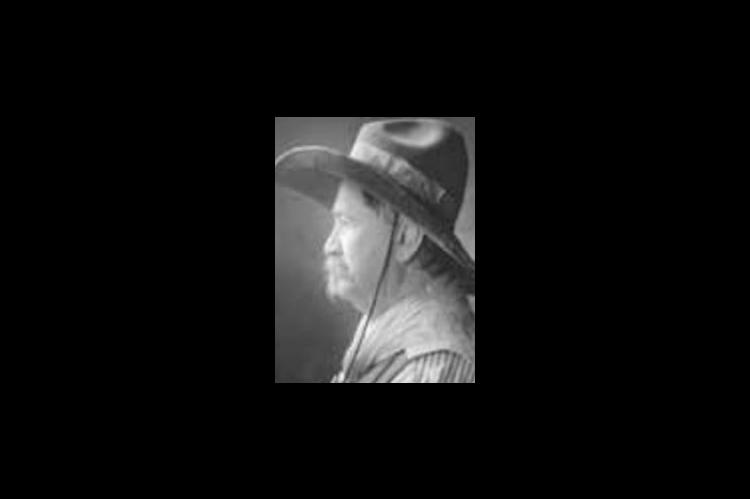
Medicine Water was a renowned Cheyenne warrior and head man of the Crooked Lance warrior society in the early 1800s.
In battle Medicine Water wore a coat of Spanish armor that was made of “little iron scales” the size of half dollars. Medicine Water’s oldest son was Alights on a Cloud. The name was interpreted in different ways. George Bent called him Touching Cloud in the book Life of George Bent.
Medicine Water gave the armor to Alights on a Cloud in 1844 before he rode into a fight with a party of Delawares. Riding with a red blanket over the armor Alights on a Cloud galloped alone across the front of the Delaware riflemen. Bullets fell harmlessly off his armor until all the Delawares had emptied their rifles. Before the riflemen could reload the Cheyenne warriors overran and killed them.
Alights on a Cloud would later become a chief.
In 1852, while scouting for a Pawnee camp, he and a few companions were surprised by a large Pawnee hunting party. The Wolf People (Pawnee) called him Iron Shirt, as the source of his “magic” had become known among the tribes.
Even though the element of surprise was on their side, the Pawnees were unable to overcome the Cheyennes until an arrow from the bow of Carrying the Shield in Front pierced Alights on a Cloud in the eye. That changed the tide of battle and all the Cheyennes that were with Alights on a Cloud were killed.
Alights on a Cloud was very popular among his people. In The Fighting Cheyennes, George Bird Grinnell described him as “generous, brave, and goodhearted.” Talk of avenging the death of Alights on a Cloud as well as all the brave men who died with him took some time to emerge into a mission.
In the spring of 1853 the Cheyennes, Arapahos, Sioux, and others began to assemble on the headwaters of the Republican River (present-day northeastern Colorado). Although other tribes allied with them, this would be a Cheyenne foray.
Seven men were chosen to find the Pawnee camp under the leadership of Wood, a Fox Soldier chief. Traveling that day and most of the night the scouts stopped before dawn for a short sleep. Traveling throughout the next day the scouting party came upon the carcass of a buffalo killed with a Pawnee arrow.
Not far beyond the first carcass dozens of freshly killed and butchered buffalo were discovered. Just beyond the killing field they rode up a hill, dismounted and peered over the edge to see a few Pawnees riding over the next hill. They reckoned that the village was in the valley just beyond that hill and feeling they had accomplished their mission turned toward their home camp.
As they neared the Cheyenne camp, they met a young man out hunting and sent him ahead of them to tell the camp they were returning. The scouts then formed into a single line with War Bonnet in the lead and Wood following far behind.
In the camp a great pile of buffalo chips was heaped in preparation for the war ceremony. The entire camp was alive with excitement as men gathered war medicine, shields, and painted their faces. Horses were saddled and painted for war. Young men galloped through the camp singing war songs and thrusting their shields in the air.
As the file of scouts approached, they occasionally howled like wolves celebrating a successful hunt. With each howl the rider stopped his horse and turned his head from side to side as though looking for his prey.
Men ran up to War Bonnet asking for news, but he replied, “My friend, who is coming behind, will tell you that.”
Each scout passed into the camp and formed a line behind the chiefs. Wood then rode in and reported that the Pawnees had been found. The soldier societies gathered into their prospective bands and rode through the camp in a great procession, singing war songs and the songs of each society.
Yet, the battle was not eminent. Young boys and old men bathed the horses, removing the sacred war paint. Warriors returned the implements of war to their cases before everyone retired to their lodges for the night.
The next day, July 23, 1853, the camp was moved a half day’s ride downstream. Once everything was in place all of the men, women, and children started toward the Pawnees. Tomorrow they planned to satisfy their vengeance on The Way West.
(Next week-Turning the Tide)
“The Cowboy,” Jim Gray is author of the book Desperate Seed: Ellsworth Kansas on the Violent Frontier, Ellsworth, KS. Contact Kansas Cowboy, 220 21st Road, Geneseo, Kan. Phone: (785) 531-2058 or kansascowboy@kans.com.