
It’s June. Wheat harvest can’t be far away
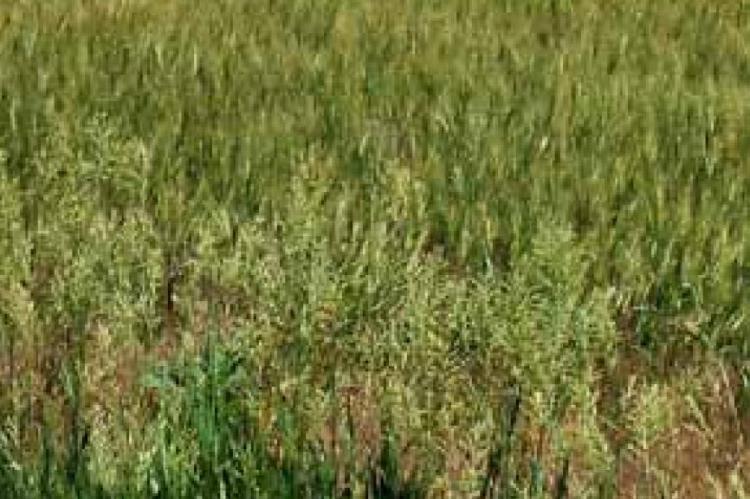
The trip Dawn Dolezal makes at least twice a week between Ellsworth and Lincoln presents a landscape that in another two weeks or so could produce an abundance of wheat.
But looks can be deceiving. In April, temperatures dropped into the teens
In April, temperatures dropped into the teens and stayed there for several hours, said Dolezal, executive director of the Farm Service Agencies of Ellsworth and Lincoln counties.
Then came a string of dry weeks, a circumstance that failed to give the resources it needed to recover.
Dolezal said farmers won’t know the final outcome of the 2020 crop until the combines roll, but she doesn’t expect as much production as in 2019.
“I think we’ll still see some good wheat,” Dolezal said.
She expects the higher yields to come from laterplanted wheat that wasn’t as far along when the freeze hit.
With the wheat well on its way in its transformation from green to gold, others offer a similar assessment.
John Thaemert, a Sylvan Grove farmer and Ellsworth banker, also travels between Lincoln and Ellsworth counties. He said the wheat looks better as he drives south.
“But a lot can happen between now and harvest,” Thaemert added.
He already has experienced the resiliency of this year’s wheat. Following the freeze, the 200 to 300 acres of wheat the farmer expected to tear up ended up being only 35 acres.
Dolezal said wheat yields average between 40 to 45 bushels per acre in Ellsworth County. This year, local farmers planted 86,373 acres of wheat, an increase over the past year’s 80,706 acres.
Dolezal said fall of 2018 was so wet, some farmers struggled to plant their crop, one reason for the fewer acres.
Craig Dinkel, crops specialist at the Midway Extension District of Ellsworth and Russell counties, said the wheat in Ellsworth County improves in the Geneseo-Lorraine area, where adequate moisture came at the right times.
Still, the consensus seems to be that Ellsworth County will produce slightly worse per-acre yields than the county average.
Dinkel participated two weeks ago in a virtual state wheat tour, which at the time supported the predictions of local wheat watchers.
As of May 21, the wheat tour group forecast a Kansas crop of 284.4 million bushels, down 16 percent from 2019’s production of 338 million bushels.
The average per-acre yield in Central Kansas was forecast to be 41.1 bushels.
Dwight Elmore, general manager of the Ellsworth Coop, said this past week’s temperatures in the 90s and gusty south winds helped to speed ripening of the crop.
The coop has elevators at Ellsworth, Kanopolis, Holyrood and Black Wolf.
Like everyone else interviewed for this story, Elmore suspects production will be down from a year ago; however, he said the 2020 crop looks a “lot better” than it did two weeks ago.
Lower yields are typically a characteristic of higher protein content and Elmore hopes that will be the case in another week or two when harvest starts.
Meanwhile, markets have been volatile this spring, with the cash price of wheat gaining 14 cents a bushel June 4 at Ellsworth and 6 or 7 cents the day before.
This year isn’t expected to be agriculture’s finest financial moment, but Elmore said a recent drop in fuel prices, which also put the brakes on fertilizer costs, has helped.